
Lotus’s Strategy in Pretty Woman
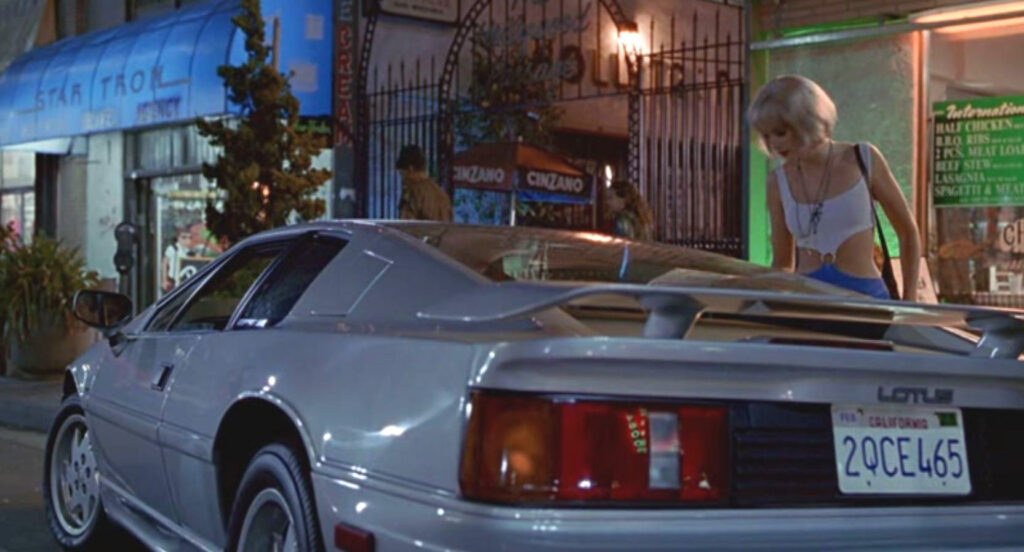
In 1990, Ferrari and Porsche famously declined to have their cars featured in the movie Pretty Woman, fearing an association with prostitution.
Lotus, however, said yes.
Their Esprit became Richard Gere’s car — sleek, understated, yet unforgettable.
Sales tripled that year.
To this day, people still debate whether that was a risky or opportunistic move.
I believe it was brilliant.
Not because it transformed Lotus into a Ferrari- or Porsche-level powerhouse, but because it showed how bold choices can carve out lasting identity.
The Film Wasn’t About Prostitution
Those who dismissed the placement misunderstood the movie.
Pretty Woman was not about prostitution.
It was about true love, courage, vulnerability, and the transformation that happens when people choose kindness and dignity.
Richard Gere’s character helped Julia Roberts’s character — but also helped himself rediscover compassion.
The Lotus Esprit fit this theme perfectly.
It wasn’t the obvious Ferrari or Porsche. It was something different — elegant, refined, a symbol of change and possibility.
Far from being tarnished, Lotus emerged enhanced.
My Childhood Memory of Lotus
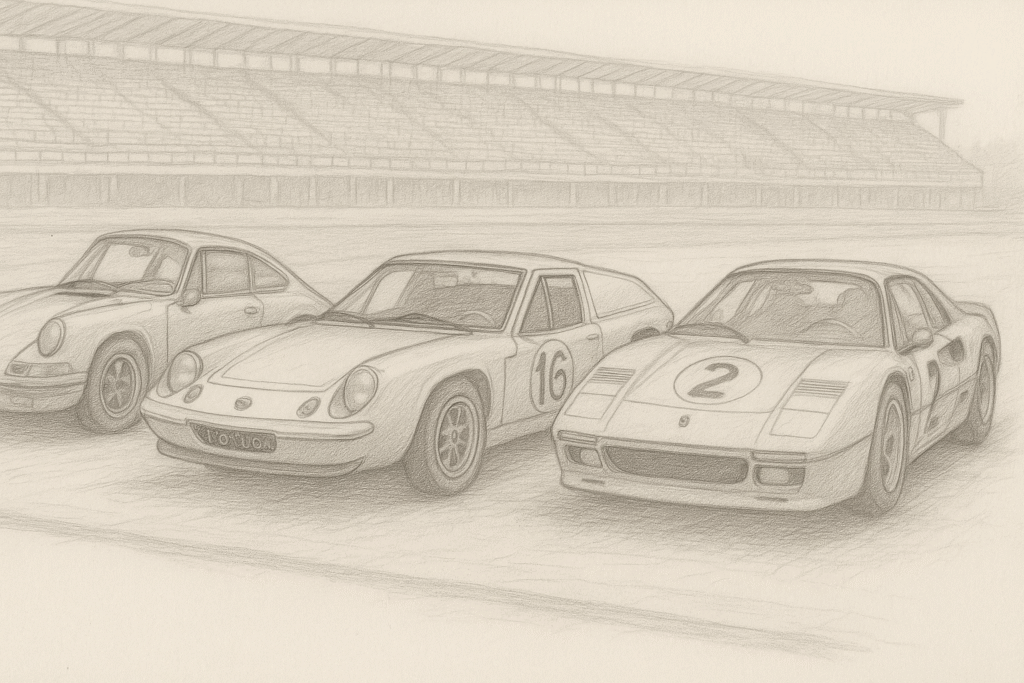
For me, Lotus was never first about Pretty Woman.
It goes further back.
As a child, my cousin drew racing cars for me, and among them was the Lotus Europa.
The strange, futuristic shape, low and wide, captured my imagination.
That simple pencil drawing left me more excited than any Hollywood movie could.
That moment made Lotus personal. It became more than a brand name — it was a spark, a symbol of speed, innovation, and something different.
Lotus’s Unique Position in the Luxury Market
Lotus never tried to be Ferrari or Porsche. Each brand followed its own truth:
- Ferrari: passion, wealth, Italian glamour.
- Porsche: precision, versatility, everyday engineering excellence.
- Lotus: lightness, purity, and the essence of driving.
Colin Chapman’s motto — “Simplify, then add lightness” — still defines Lotus.
Their cars may not have had the same raw power, luxury interiors, or mass appeal, but they offered something else: agility, intimacy, and a driver’s connection to the road.
That unique positioning gave Lotus a smaller slice of the market, but a permanent place in the imagination of enthusiasts.
The Truth About Branding
Lotus shows us a truth about branding: you don’t have to dominate the market to leave a lasting impression.
Legacy isn’t always measured in sales figures or stock valuations. It can be measured in how deeply you inspire, how vividly you stand apart, and how long you live in someone’s memory.
For me, that truth was sealed by a cousin’s sketch of a Lotus Europa.
For millions, it was the Esprit in Pretty Woman.
Either way, Lotus proves that in branding, it’s not always about being the biggest player — it’s about being unforgettable.